Morocco's six host cities
Six cities announced in 2023 by the Moroccan football federation. We present them first and foremost as what they are: places to travel to.
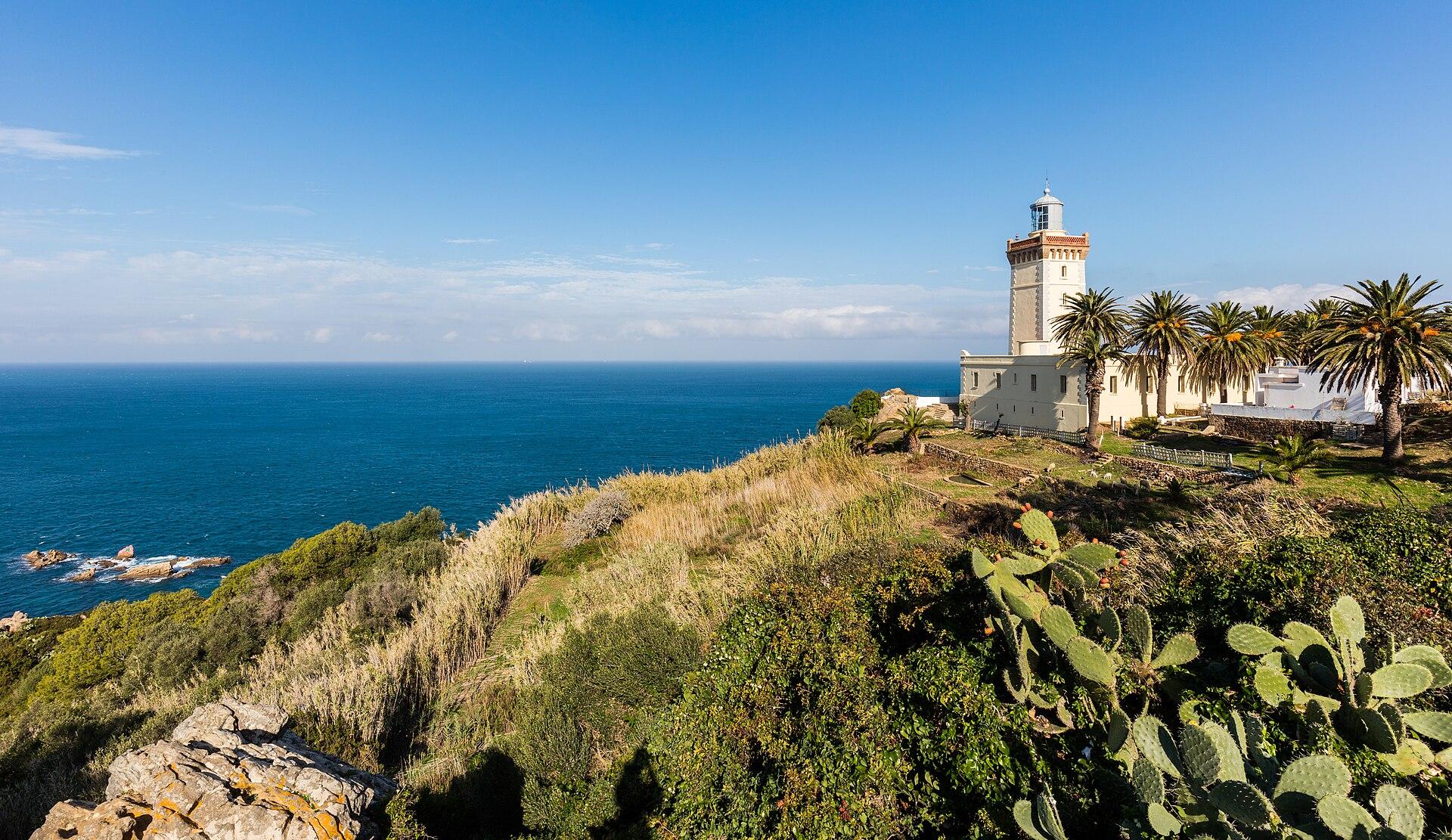 Tangier-Tetouan-Al HoceimaTangierTangier looks across the Strait at Spain from the opposite shore: a white medina above the port, a new city growing fast and a renovated stadium for around 75,000 people. An hour on the ferry from Tarifa and you are in another world.
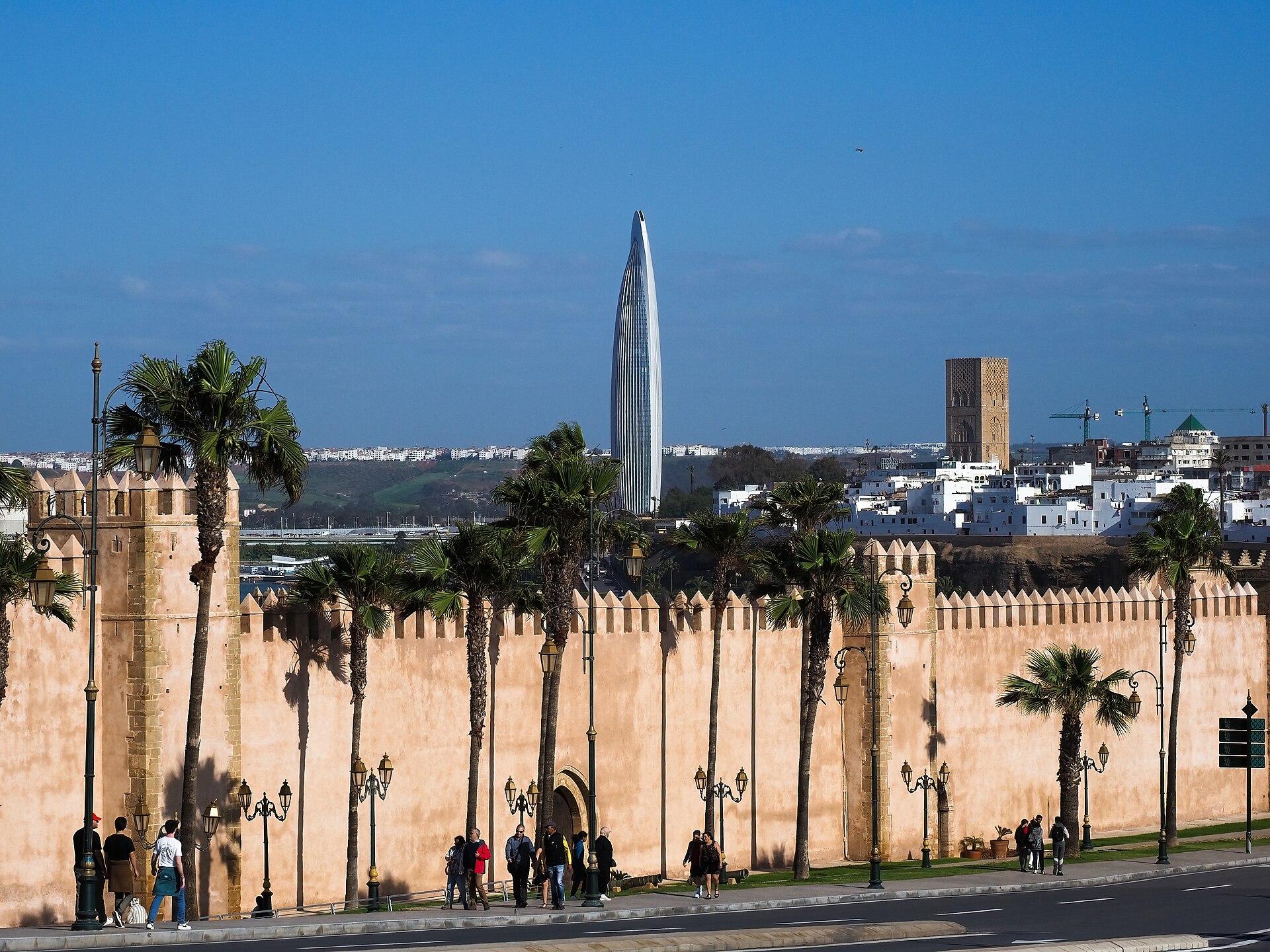 Rabat-Salé-KénitraRabatRabat is Morocco's serene capital: a white and blue kasbah above the mouth of the Bou Regreg, tree-lined avenues, a tram and a new stadium with 68,095 seats. A city to take slowly.
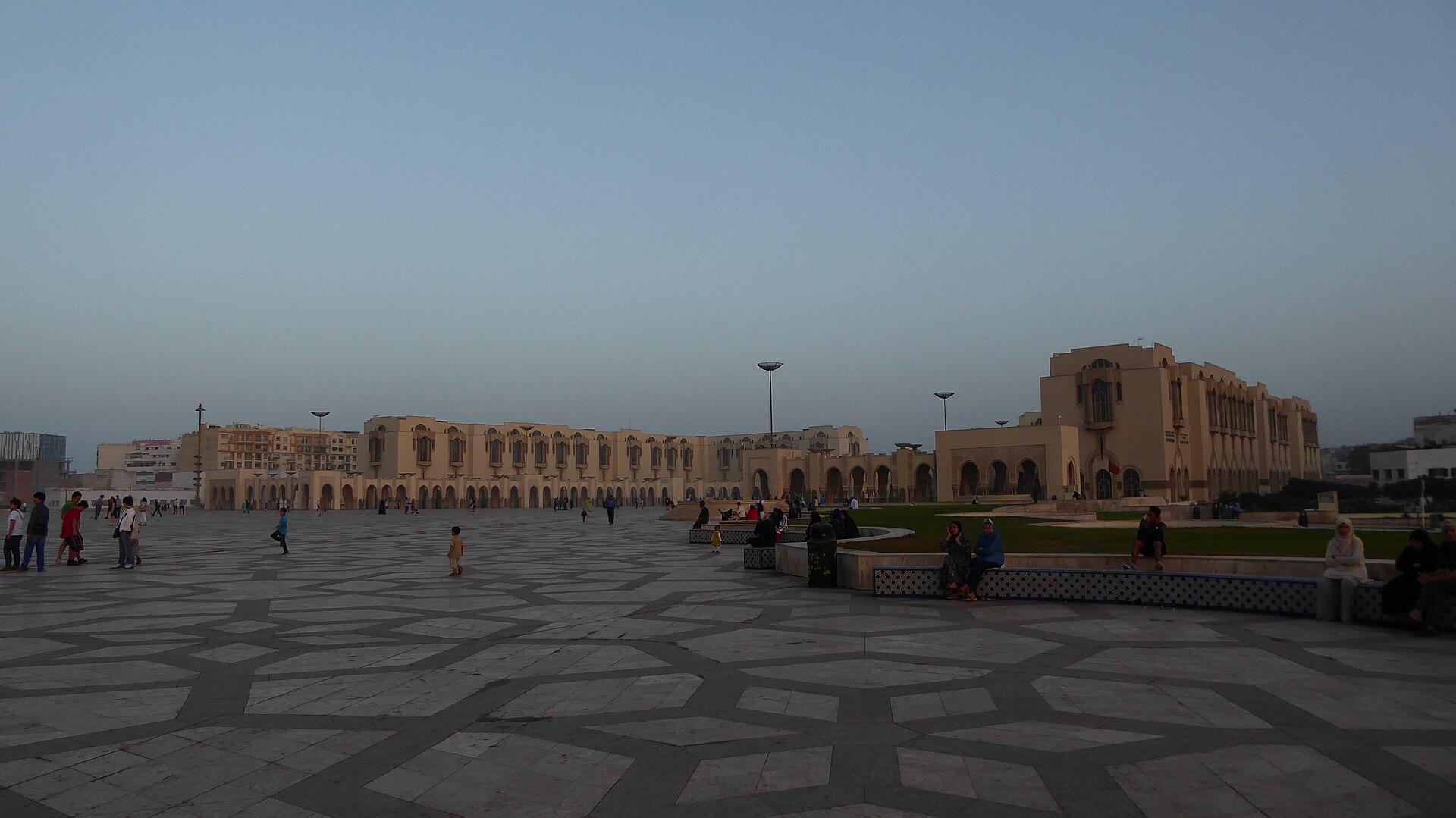 Casablanca-SettatCasablancaCasablanca is not Morocco's postcard, it is its engine: art deco façades, a mosque leaning out over the Atlantic and football lived out on the street. For the 2030 World Cup, a stadium of around 115,000 seats is being built on its outskirts.
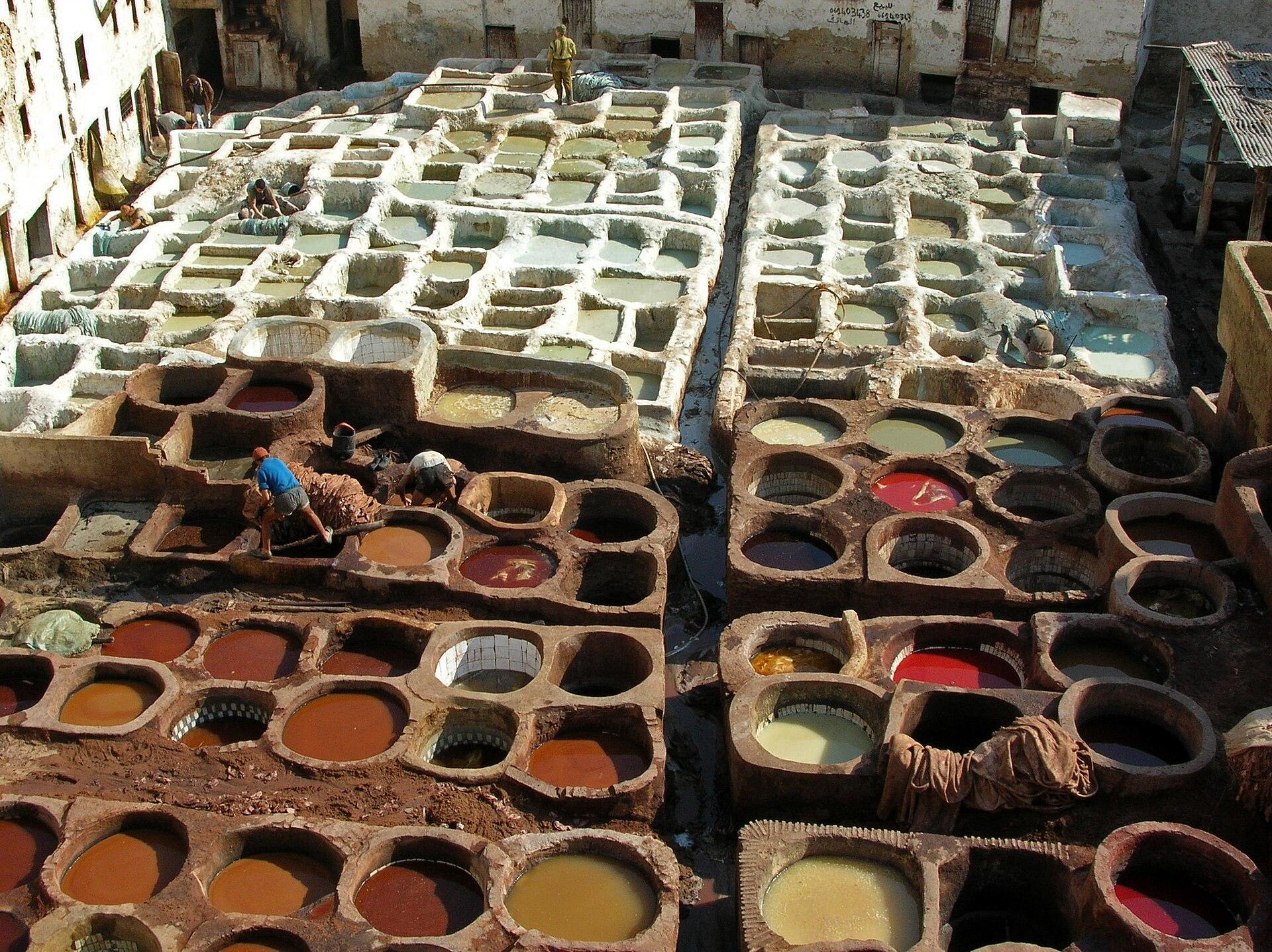 Fez-MeknesFezFez is the city Moroccans themselves point to when they talk about tradition: a lived-in medina, a World Heritage Site since 1981, where leather, copper and wood are still worked by hand. For the 2030 World Cup, its renovated stadium currently holds 35,000.
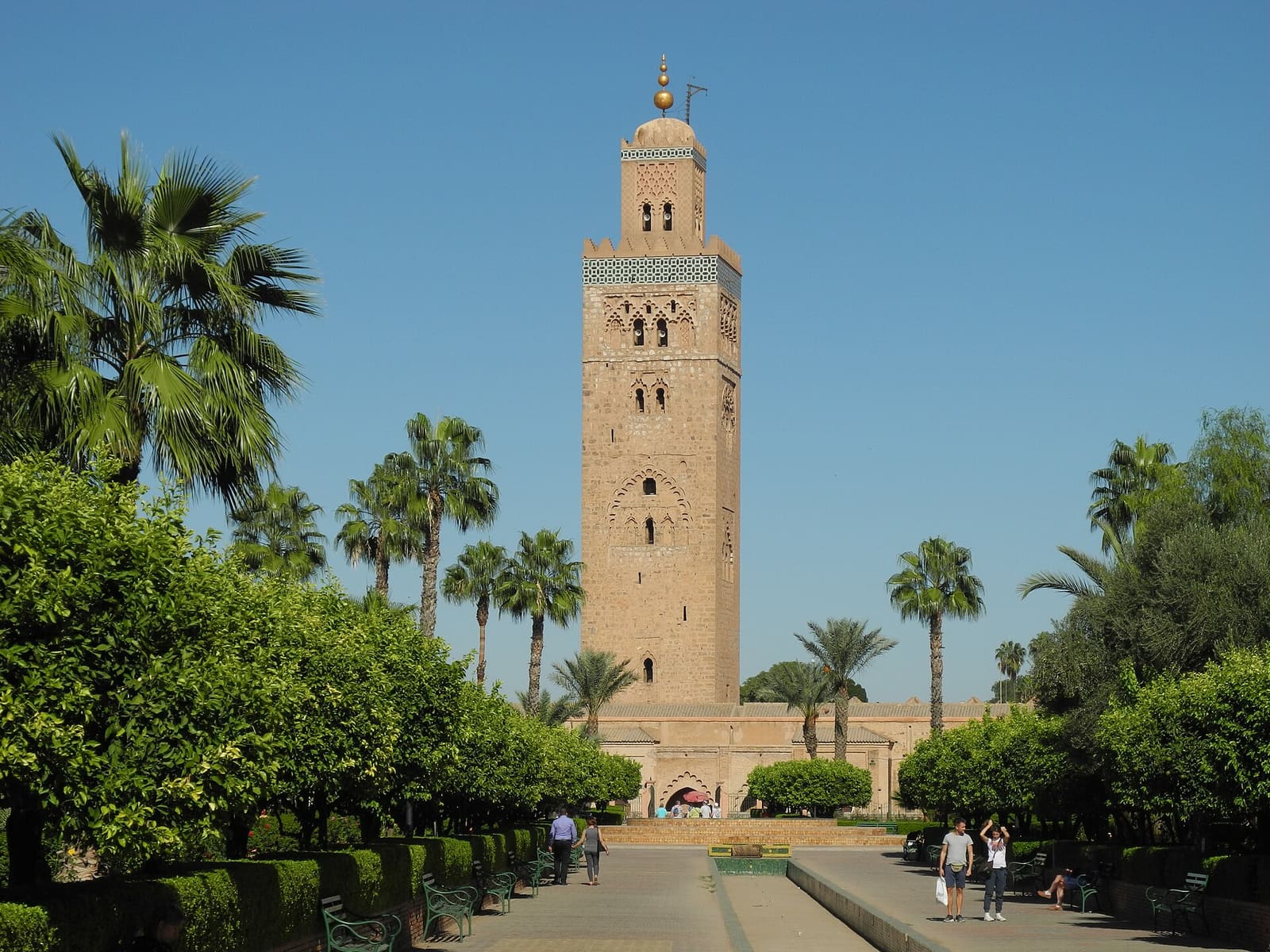 Marrakesh-SafiMarrakeshMarrakesh is best discovered on foot, from Jemaa el-Fna to the souks and the avenues of Gueliz. It is one of the six Moroccan cities lined up for the 2030 World Cup and, football or no football, you will enjoy it more once you understand its rhythm.
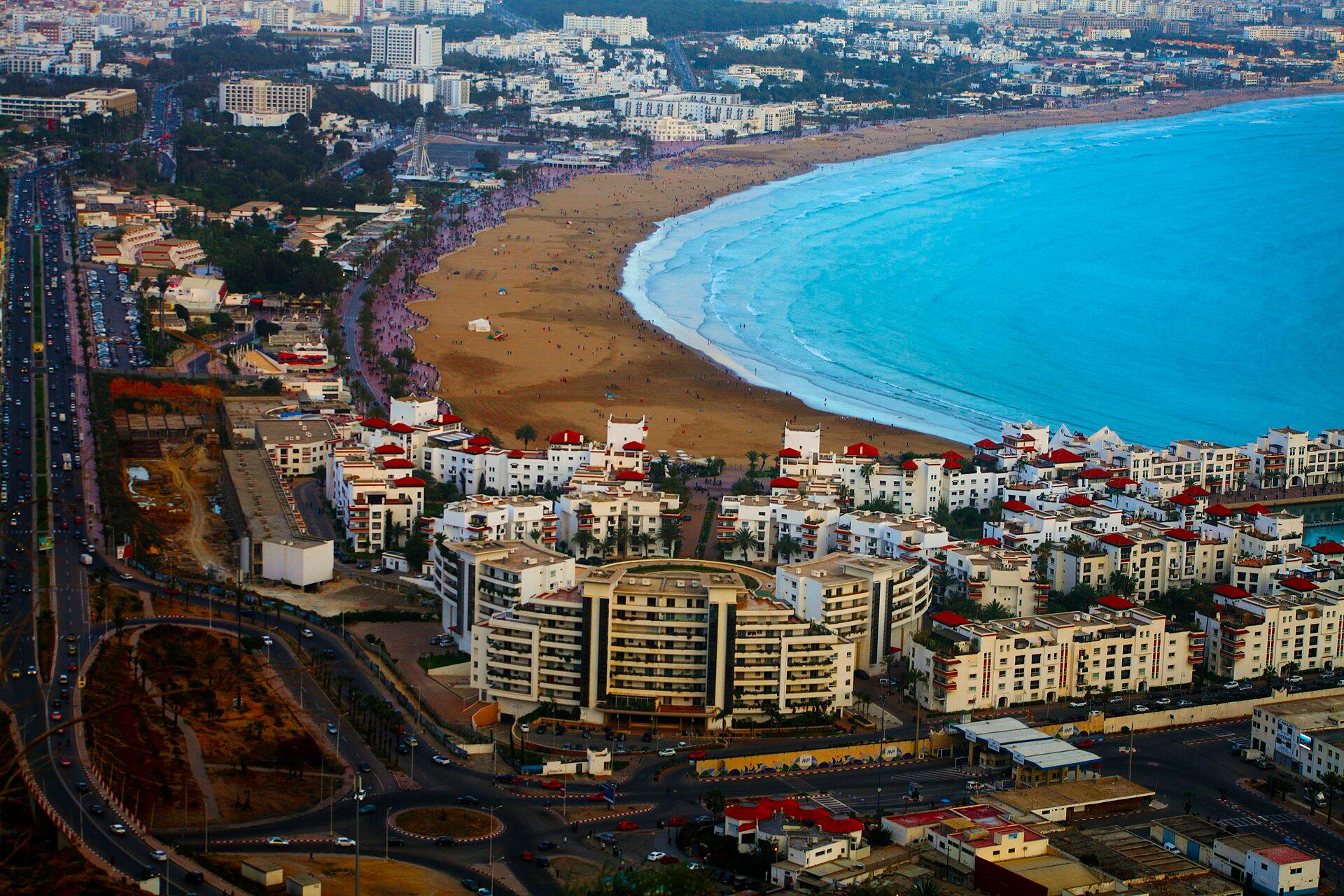 Souss-MassaAgadirAgadir is the Atlantic face of the 2030 World Cup in Morocco: a long sandy bay, a fishing port that rises early and, all around, the Amazigh Souss of the argan tree. Summer is comfortable: the average July high is 26.7 °C.